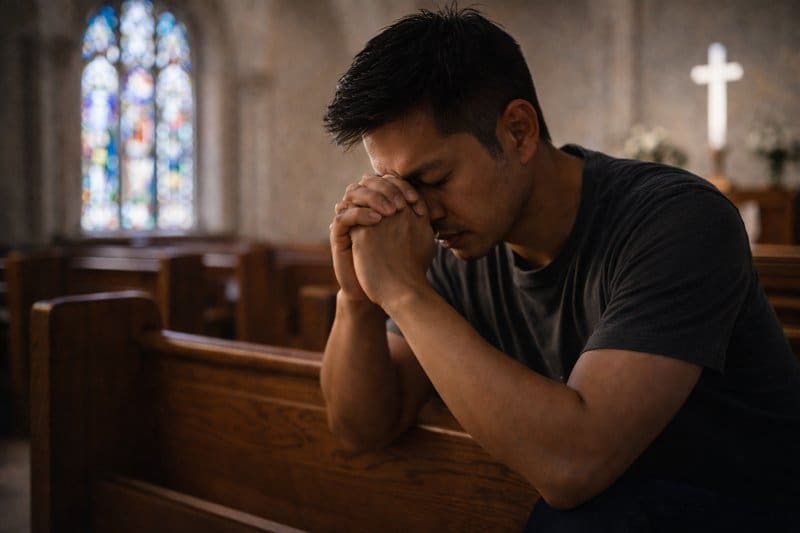
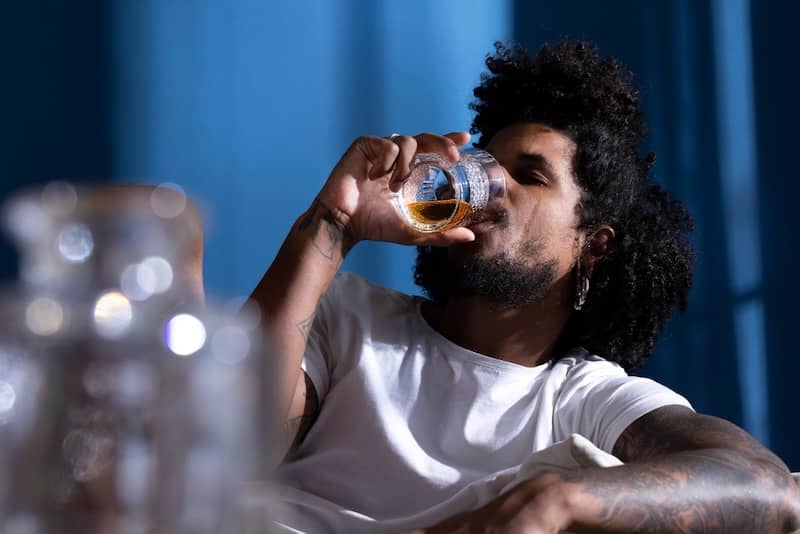
The drinking started casually. One drink to unwind, one more to take the edge off, but before you knew it, drinking became your default. It might be hard to recognize the moment it shifted from a coping mechanism to a routine. The truth is, drinking doesn’t happen randomly. It is most always triggered by something. Understanding those triggers is the first step toward regaining control over your addiction.
When you drink to cope, it’s easy to believe that alcohol is the solution to your problems. But alcohol isn’t solving anything. The triggers that lead you to your bottle are often deeply embedded in your lifestyle, emotions, and relationships. If you don’t address these triggers, the cycle will continue, and drinking will remain your go-to method for dealing with stress, anxiety, or emotional discomfort.
There is a life outside of alcohol addiction. By identifying your triggers and understanding why they lead you to drink, you can learn how to quit drinking alcohol for good. It’s time to confront those patterns head-on and take responsibility for your choices.
What Are Triggers, and Why Do They Matter?
Triggers are events, feelings, people, or situations that prompt a reaction. In the case of alcohol addiction, triggers can set off the desire to drink before you can realize it. They can range from external circumstances, like a stressful day at work, to internal feelings like loneliness or frustration.
The key to breaking the cycle of addiction lies in understanding these triggers. They are not just “reasons” to drink. Your brain associates these triggers with relief. True, alcohol offers temporary comfort when those pathways are triggered, but it never addresses the root cause of your stress or pain. Recognizing these triggers allows you to shift your focus and take a proactive approach to managing your emotions.
Common Triggers That Lead to Drinking
Here are some of the most common triggers that could be influencing your drinking habits:
- Stress: Whether it’s work pressure, relationship issues, or financial concerns, stress is a significant reason people turn to alcohol. You might reach for a drink to “relax” or take your mind off the overwhelming situation, but drinking does little more than distract you. The stress remains unresolved and only mounts with time.
- Emotional Pain: Negative feelings like sadness, anger, or anxiety are all numbed by alcohol. Alcohol is only a temporary escape. When alcohol becomes an emotional crutch, you avoid processing the feelings behind your distress.
- Social Situations: Peer pressure or social expectations can lead you to drink when you’re around others. Whether you’re at a party or out with friends, the pressure to drink can be intense. Alcohol is often seen as a way to bond or have fun.
- Loneliness: Sometimes, it’s not about escaping pain but about filling a void. If you’re alone, bored, and out of the routine, a drink might feel like an easy way to spice up your evening. However, this temporary distraction doesn’t fill the more profound need for connection and fulfillment.
- Triggers from Past Habits: Certain locations, sounds, or even times of day can serve as triggers from your past drinking habits. If you’ve always had a drink after work or during specific activities, these routines might be hard to break.
How to Identify Your Personal Triggers
Understanding your personal triggers is essential for alcoholism recovery. Begin by reflecting on your habits and feelings related to drinking. Here are a few practical ways to identify what’s triggering your desire to drink:
- Journaling: Take some time every day to write down when and why you feel the urge to drink. Record your emotional state, the environment you’re in, and any stressful or triggering events that may have occurred. Over time, you’ll begin to notice patterns.
- Mindfulness: Practice mindfulness to become more aware of your emotional responses. By observing your thoughts and reactions without judgment, you can recognize when a trigger is approaching and make a conscious decision not to act on it.
- Talking to a Supportive Friend or Mentor: Sometimes, discussing your struggles with someone else can help you gain a new perspective. A trusted friend or mentor can help you see patterns you might be overlooking and provide accountability.
How to Manage Triggers Without Drinking
Once you’ve identified your triggers, the next step is to develop strategies for managing them. Here are some ways you can handle these triggers without turning to alcohol:
1. Replace Alcohol With a Healthy Alternative
Instead of reaching for a drink when stress hits, try going for a run, taking a walk, or practicing deep breathing exercises. Physical activity helps release tension, clear your mind, and improve your mood.
2. Talk to Someone You Trust
When emotional pain or loneliness triggers the urge to drink, reach out to a friend or a family member. Verbalizing your feelings brings a sense of relief without relying on alcohol.
3. Establish a New Routine
Changing your daily routine is essential when you’re breaking free from alcohol addiction. Find new ways to unwind and cope with stress that don’t involve alcohol. Read, engage in a new hobby, or spend time with loved ones.
4. Build Healthy Boundaries in Social Situations
If social pressure is a trigger, don’t be afraid to say no when someone offers you alcohol. Be honest with your friends about your goals and why you’re choosing not to drink. Building boundaries fosters respect and helps you avoid falling into old patterns.
5. Seek Professional Help
When triggers are potent or when you find it difficult to manage them on your own, consider working with a therapist or a support group. Professional help can give you the tools and strategies you need to break free from addiction.
Break the Cycle
Recognizing and managing your triggers is the key to breaking free from alcohol addiction. Identify the emotional, social, and psychological factors that drive your cravings. Learn to replace the habits with healthier coping mechanisms.
You don’t have to let alcohol control you. Take ownership of your triggers and respond with healthy habits. It’s time to regain control over your life. It’s not too late to build a life of confidence and clarity.
Recovery from alcohol addiction isn’t linear. Perfection is not the goal. You only need to seek growth, progress, and accountability.