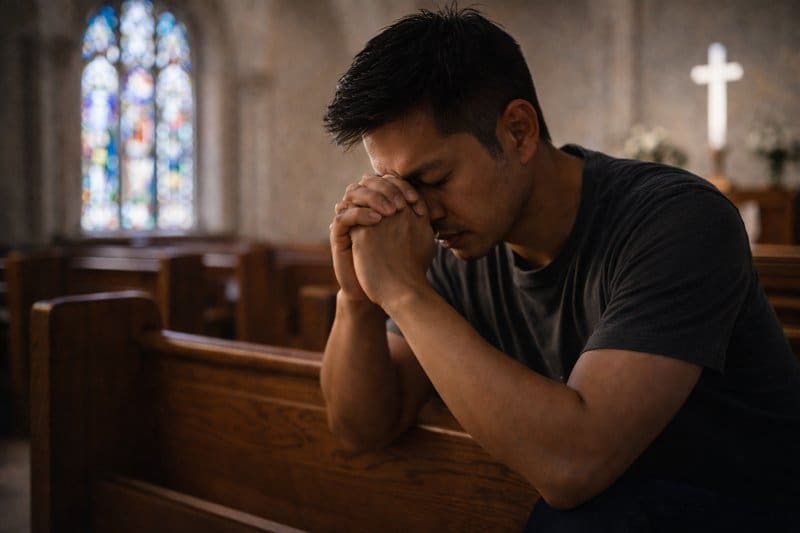

You don’t pick up a drink because you’re weak. You pick it up because you’re tired, overwhelmed, stressed, or lonely. Alcohol becomes your shortcut to silence what you don’t want to feel. It gives you a moment of relief, but that relief comes with a cost. The more you run to the bottle, the less you run to the truth. You start drifting away from the leader you’re called to be.
Leadership begins with ownership. When you take responsibility for your choices, even the painful ones, you take back authority over your life. Alcohol dependence thrives on avoidance. You drink to escape what hurts instead of confronting the emotion behind the craving. When you start owning your decisions to overcome your alcohol addiction, you stop being a passenger in your life and begin steering again with intention.
You might feel stuck, but you’re not. You’re simply unpracticed in owning your story. Freedom starts when you shift from escape to engagement, from avoidance to awareness, from passivity to leadership.
Why You Turn to Alcohol When Life Gets Heavy
You drink because it works temporarily. The bottle gives you an emotional timeout. It helps you unwind, relax, or disconnect from pressure. But alcohol doesn’t solve problems. It just quiets them long enough for you to avoid dealing with what matters.
When you’re stressed or disappointed, alcohol teaches your brain that escape is easier than courage. Every drink reinforces that pattern: numb the pain instead of facing it. Over time, your emotional resilience weakens. Hard moments feel harder because you’ve trained yourself to soften them with a substance rather than strength.
The escape becomes a cycle. The cycle becomes dependence. And dependence becomes identity unless you break the pattern through ownership.
Ownership begins when you stop asking, “How do I quit drinking?” and start asking, “What am I avoiding?” That question reveals the truth that alcohol tries to cover up.
Facing Your Triggers Without Running from Them
Every craving is a message. Alcohol cravings aren’t random; they follow emotional, situational, and physical patterns. When something stresses you, disappoints you, or destabilizes you, you reach for what gives quick relief. But quick relief doesn’t create long-term stability.
You can start identifying triggers by slowing down and paying attention. Ask yourself:
- What was I feeling right before I wanted to drink?
- What situation made me feel overwhelmed?
- Who or what drained my energy today?
Awareness builds mastery. When you can name your triggers, you can resist them. That’s leadership: not perfection, but presence.
Owning your triggers is the first step toward building a life that doesn’t require constant escape.
Moving from Numbing to Honest Reflection
When you stop drinking to numb pain, you start learning from your pain. Pain is a signal, not an enemy. It exposes where healing is needed, where boundaries are missing, and where emotional maturity is required.
Reflection helps you break the cycle because it forces you to sit with reality instead of running from it. Practicing honest reflection could look like:
- Journaling what you felt today
- Naming the fears you usually hide
- Talking openly with a mentor or friend
- Praying instead of pouring another drink
Reflection invites you to deal with the real issue instead of postponing it with alcohol. And when you do this consistently, the bottle loses its grip because you stop depending on it to manage your life.
Replacing Escape With Purposeful Action
The opposite of escape is engagement. You break alcohol dependence not by trying harder, but by building better habits. You choose actions that strengthen your mind, body, and spirit.
Purposeful action could include:
- Exercising to release pressure instead of numbing it
- Joining a men’s group where honesty is normal
- Creating a nightly routine that reduces stress
- Taking responsibility for one small thing each day
Every intentional step reinforces your identity as a man who leads himself. Alcohol pulls you into passivity. Purpose pulls you into presence. And presence is where maturity grows.
Why Responsibility Is the Turning Point
You can’t lead others if you can’t lead yourself. Alcohol dependence takes away your sense of responsibility. It tricks you into believing you have no control. But responsibility gives you back your authority. When you say, “My choices matter, and I’m taking them seriously,” you reclaim the strength that addiction tried to steal.
Responsibility doesn’t mean perfection. It means honesty. It means owning your decisions and their impact. It means stepping into your life instead of drinking to hide from it.
Once you embrace responsibility, the cycle begins to break. You start showing up differently as a man committed to change, not controlled by escape.
The Spiritual Shift: Choosing Truth Over Numbness
Alcohol deadens your sensitivity to both emotion and conviction. When you’re numbing yourself, you stop hearing the inner voice that calls you to strength and integrity. But when you choose truth over numbness, your spiritual clarity returns.
With faith-based alcohol recovery, you start hearing God’s voice again. You start feeling present in your relationships. You start sensing purpose growing inside you. Alcohol may offer comfort, but truth offers transformation.
You’re not disqualified because you struggled. But you cannot become who you’re called to be if you stay hidden in escape.
Becoming the Leader Your Life Needs
Leadership doesn’t begin in boardrooms or on battlefields. It begins with your choices. When you choose ownership, you start leading yourself out of dependence one step at a time. Ownership teaches you to:
- Confront what hurts
- Make decisions with clarity
- Build consistent habits
- Stay present even when uncomfortable
- Move with purpose instead of impulse
That’s the man your life needs. And that man is built through daily acts of responsibility—small choices that rewrite your story one decision at a time.
Escape Keeps You Stuck, Ownership Sets You Free
Alcohol promises relief, but ownership delivers freedom. When you stop running and start leading, you discover strength you didn’t know you had. You reconnect with purpose. You rebuild your confidence. You take back the territory you lost to distraction, stress, and shame.
You’re not defined by your past. You’re defined by what you choose now. Choose ownership. Choose clarity. Choose to lead yourself out of escape and into the life you were created to live.