
You’ve probably asked yourself in a quiet moment, “Why am I watching this? This isn’t who I am.” If you’re a straight, married man who keeps getting pulled toward LGBTQ porn, you might feel confused, ashamed, or even scared about what it means. But here’s the thing: your behavior doesn’t always define your identity. And exploring those patterns doesn’t threaten who you are; instead, it brings clarity to the underlying issues you may be facing.
This isn’t just a question of sexual orientation. It’s a question of what’s driving the behavior. For many, porn isn’t really about the content itself. It’s about escape, unmet needs, or deeply rooted compulsions. That’s where LGBTQ sex addiction support can make a real difference. It gives you space to unpack what you’re feeling without jumping to conclusions or labels. The goal isn’t judgment. The goal is finding clarity, healing, and an honest, grounded path forward.
Porn Doesn’t Always Reflect Identity
Just because you’ve watched LGBTQ porn doesn’t mean you’re gay or bisexual. One of the biggest misconceptions is that sexual behavior in isolation defines your orientation. In reality, pornography taps into parts of the brain that are wired for novelty, stimulation, and sometimes even taboo.
If you’re feeling stressed or disconnected, your brain may seek out new or extreme stimuli to get the same dopamine hit it used to get from simpler content. LGBTQ porn may represent something different or forbidden, and that alone can heighten arousal, not because it aligns with your identity, but because it satisfies the brain’s craving for intensity. The shock factor or deviation from the norm can become a substitute for deeper needs that aren’t being met.
Curiosity Is Often Misunderstood
Many straight men who explore LGBTQ porn do so out of curiosity. You might be trying to understand something about yourself, or even test the limits of what turns you on. That doesn’t automatically mean your orientation is shifting. It means you’re human, and like most people, drawn to exploration, especially when the stakes feel low in a private, online setting.
The danger comes when you assign meaning to your behavior that it doesn’t necessarily carry. Watching something online doesn’t rewrite your current relationships or your heart. But if you don’t pause and examine the why behind the behavior, it can spiral into confusion and secrecy.
Compulsive Viewing Is About More Than the Content
When porn becomes a compulsive behavior, it’s rarely just about sex. It’s about escape, comfort, avoidance, or control. You may be trying to avoid the stress of a disconnection in your marriage or other negative emotions you haven’t fully processed. The specific type of porn becomes secondary to the act itself.
So why LGBTQ porn? It might represent something that feels emotionally safer than heterosexual content. It might feel disconnected from your real-life relationships, offering a kind of fantasy world where you don’t have to think about performance or relational intimacy. That detachment, paradoxically, can feel comforting when emotional vulnerability in your real life feels hard.
You’re Not Alone, and You’re Not Broken
The truth is, all types of men, whether they are married, straight, Christian, or agnostic, have admitted to similar struggles. What makes the experience so painful isn’t just the behavior. It’s the secrecy. It’s the sense that this one area of your life is out of control, or that it doesn’t make sense alongside the rest of who you are.
Struggling in silence only feeds the shame cycle. You need to know that you’re not broken. Your behavior doesn’t define your identity, but it can reveal areas of your life that need healing. It’s possible to be fully honest about what you’re wrestling with and still walk forward with integrity.
When It’s Time to Talk to Someone
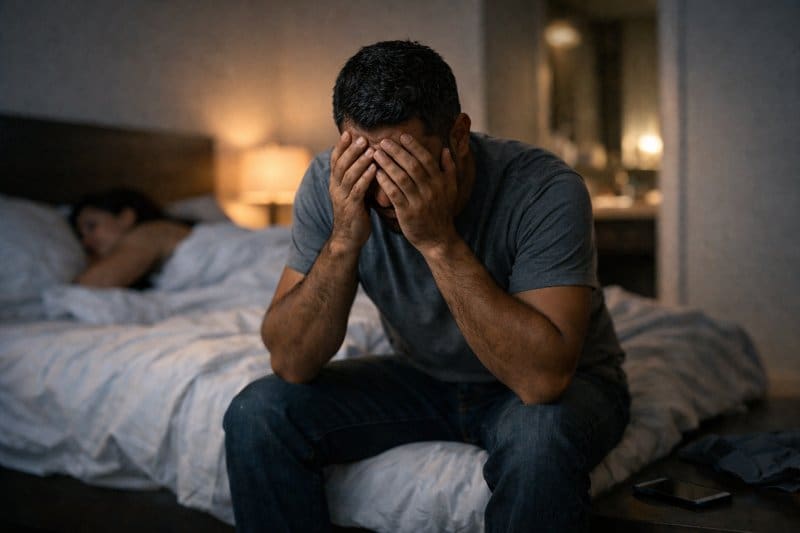
If you’re married, this struggle can be especially weighty. You might be terrified of being found out. You might wonder if talking to someone will make things worse. But secrets grow in the dark. Getting the help you need brings freedom.
Here’s when you should consider reaching out:
- When you feel compulsively drawn to LGBTQ porn despite wanting to stop.
- When it begins to affect your intimacy with your spouse.
- When you feel shame that won’t go away, no matter how much you promise to quit.
- When you’ve tried to stop but find yourself back in the same place repeatedly.
Talking with someone who offers help with sex addiction, especially from a Christian perspective, can bring clarity to your thoughts and guide you toward real healing.
How Does Viewing LGBTQ Porn Affect My Faith?
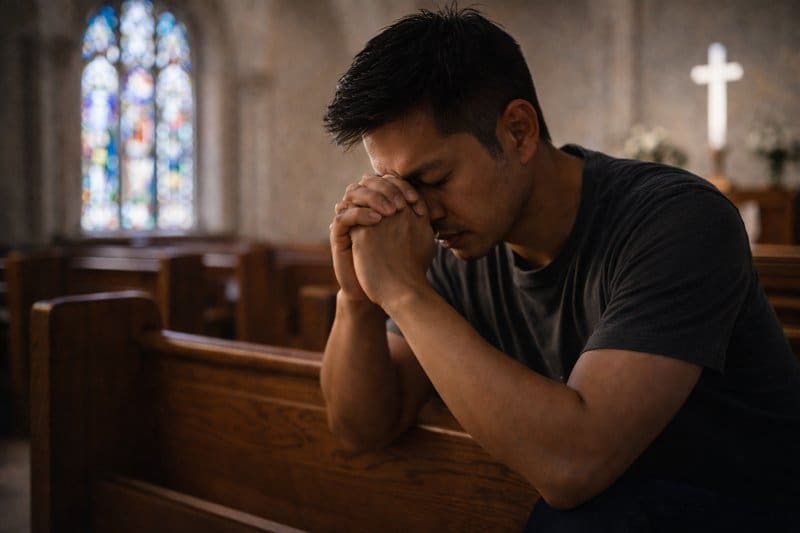
If you’re a man of faith, this struggle can feel like a deep crisis. It shakes both your identity and your relationship with God. You might feel like you’re failing your marriage and letting God down. But here’s the truth: God isn’t surprised by your struggle. He’s not distant, and He hasn’t given up on you.
This journey is more than simply trying harder or managing behavior. It’s about surrender. It’s about real transformation. The goal isn’t just to stop watching porn, it’s to understand what’s hurting underneath and let God meet you there with grace, not shame.
You Can Break Free from This Pattern
Freedom doesn’t mean flipping a switch and never struggling again. It means showing up, even when it’s hard. It means being honest with yourself and with others. Most of all, it means refusing to let shame call the shots anymore.
Real freedom is found in the daily choice to step into the light. It’s choosing to build new habits that support healing, even when your emotions haven’t caught up yet. It’s permitting yourself to feel what porn may have numbed. Things like loneliness, stress, fear, or pain, and learning to face those emotions instead of escaping them.
You won’t get it perfect, but that’s not the point. Healing doesn’t happen all at once; it happens one brave, honest step at a time. And every time you choose light over secrecy, connection over isolation, you’re moving closer to the freedom your heart was made for.
You Don’t Have to Figure This Out Alone
At Unchained Leader, we meet men like you every day: men who never thought they’d be dealing with this, but who are ready to stop hiding and start healing. You’re not the only one. You’re not beyond help. And you don’t have to carry this on your own. Let’s walk this journey together with honesty and hope for real transformation.