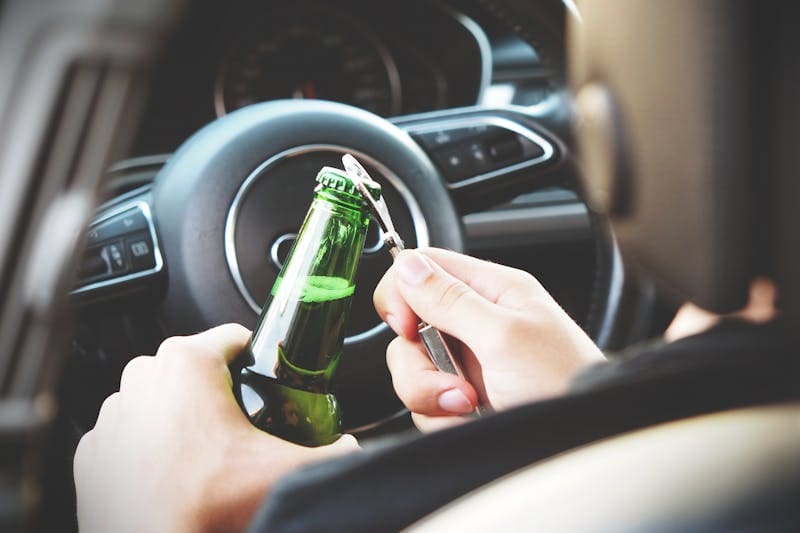
You reach for the bottle because it works, at least for a while. It softens the edge, quiets the noise, and gives you a few hours of peace. But what feels like relief eventually becomes a cage. Alcohol doesn’t heal pain; it only hides it. It numbs emotions you’re meant to process and steals the strength you need to move forward.
You might drink to forget stress, failure, or guilt. The problem is that the emotions you bury don’t disappear. They just grow stronger in the dark. What started as “just one drink” to relax after a long day becomes a cycle that keeps you stuck, disconnected, and ashamed.
At first, alcohol seems like a solution. But over time, it rewires your brain and teaches your body that comfort comes from escape, not endurance. And when you numb pain, you also numb growth.
Why Alcohol Becomes Your Emotional Shortcut
Most men who need alcohol abuse help don’t start out trying to ruin their lives. You want to cope. You want to unwind. But alcohol becomes the shortcut your mind takes when it doesn’t want to deal with what’s real.
Every drink trains your brain to avoid discomfort. Stress, disappointment, or conflict become triggers for relief rather than opportunities for maturity. Instead of learning to process emotion, you drown it. Instead of addressing the wound, you medicate it.
The truth is, pain is supposed to be instructive. It tells you what’s broken, what needs healing, and where you’re off-balance. When you suppress that signal, you lose your ability to respond honestly to life. You start living reactively, chasing numbness instead of transformation.
It’s easy to think you’re managing your pain, but in reality, it’s managing you. Alcohol dulls your sensitivity not only to stress but also to joy, connection, and conviction. The same drink that quiets your anxiety also quiets your purpose.
The False Peace Alcohol Promises
Alcohol creates the illusion of control. You feel calmer, lighter, maybe even social again. But that peace is borrowed. Once the effects wear off, the emptiness returns, usually stronger than before.
What’s worse is that alcohol begins to redefine your relationship with yourself. The more you use it, the more you convince yourself that you need it. You start relying on it to handle emotions you should be confronting.
That false peace comes at a high price: lost focus, broken trust, and growing shame. It’s a pattern that convinces you to hide from others and justify your choices. You tell yourself you can stop anytime, but deep down, you know you’re losing grip on the truth.
Real peace doesn’t come from escape. It comes from exposure—bringing your pain to light, not drowning it in a bottle.
The Physical and Emotional Toll
Your body feels the cost long before your mind admits it. Alcohol may relax you in the moment, but it wreaks havoc on your system. Your liver strains to keep up. Your sleep becomes shallow. Your energy fades. The fog sets in, and your resilience weakens.
You begin to feel drained, sluggish, and emotionally unstable. The highs don’t last, and the lows hit harder. Over time, alcohol reshapes how your brain handles dopamine, the chemical that drives motivation and pleasure. What used to bring joy loses its spark.
That’s the trade alcohol demands: temporary comfort in exchange for long-term clarity. It steals focus from your calling, patience from your relationships, and discipline from your daily life.
Emotionally, it numbs the very parts of you that God designed to connect, feel, and lead. You stop feeling deeply, thinking clearly, and living intentionally.
The Spiritual Consequence: Distance and Disconnection
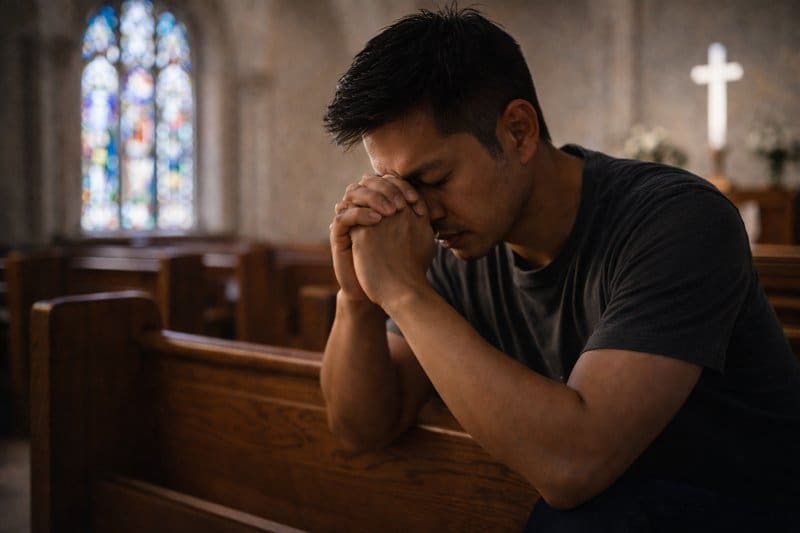
When you numb yourself, you lose sensitivity not only to your own emotions but to God’s voice. The more you drink, the quieter conviction becomes. You still believe in Him, but the connection feels dull, like static. You pray, but it feels forced. You worship, but it feels empty.
This isn’t because God’s turned His back. It’s because the bottle has taken His place as your comfort. Instead of running to Him, you reach for relief that doesn’t require surrender.
The heart of the issue is not alcohol itself, but what it represents: avoidance. Every time you choose numbness over honesty, you reinforce the distance between who you are and who you’re called to be.
But the good news is that grace doesn’t wait for perfection. The moment you decide to confront instead of escape, that distance begins to close. You don’t need to have it all figured out. You just need to stop running from what hurts.
Facing Pain Without Running From It
Pain only transforms when it’s faced. It can’t be fixed by suppressing it or medicating it. You have to name it, feel it, and surrender it to something stronger than you.
That’s where real healing begins: not with a self-help plan, but with humility. When you admit, “I’m tired of pretending I’m fine,” you step into truth. And truth always brings freedom.
You might not be able to undo your past, but you can change how you respond to your pain today. You can learn to process emotions without alcohol, to talk about what you feel without fear, and to stand in the discomfort long enough for it to lose its control.
That’s how men grow: not by running from what hurts, but by using pain as a teacher.
Building a New Pattern of Strength
Learning how to stop alcohol dependency doesn’t mean never feeling tempted again. It means choosing to act differently when the temptation comes. You can build a new routine that replaces reaction with reflection.
Here are three practical shifts you can start today:
- Face Your Triggers: When you feel the urge to drink, pause and ask, “What am I trying to escape right now?” Awareness is the first step toward control.
- Replace Relief with Connection: Reach out to someone you trust. Talk. Pray. Go for a walk. Do something that reminds you you’re not alone.
- Build Consistency Through Routine: Establish nightly habits that calm your body and mind without alcohol, like journaling, exercise, or time in Scripture.
These small acts of intention train your brain to find comfort in truth rather than escape. Over time, they become a pattern of resilience built on honesty and alignment.
Choosing Healing Over Hiding
You can’t numb selectively. When you silence pain, you also silence peace, joy, and intimacy. The only way out is through. That means confronting what’s underneath the drinking—the guilt, the shame, the pressure—and choosing healing instead of hiding.
Alcohol offers a shortcut, but shortcuts never lead to freedom. Freedom takes honesty. It takes surrender. It takes the courage to feel what you’ve been avoiding and trust that God can handle it.
You’ve carried this long enough. You’ve paid the cost with sleepless nights, strained relationships, and the quiet ache of regret. But you can trade all of it for clarity and conviction.
When you stop numbing the pain, you give yourself permission to heal. And when you heal, you start leading again with integrity, strength, and peace that no bottle can counterfeit.