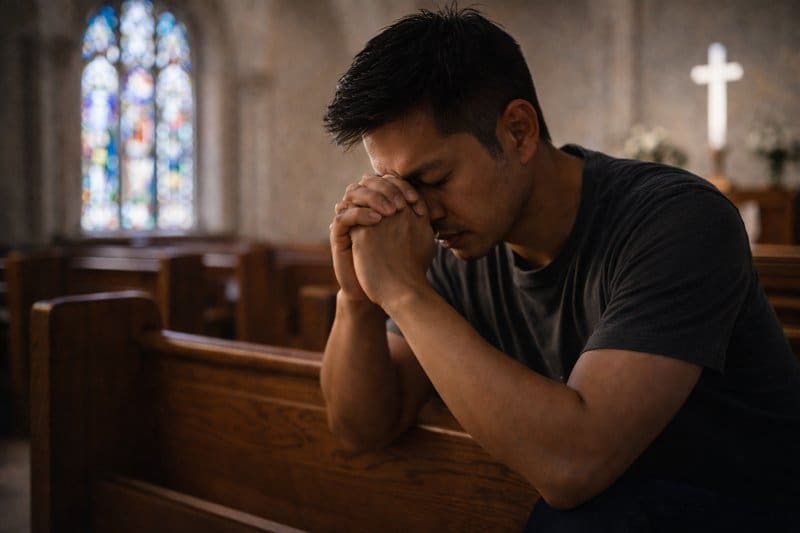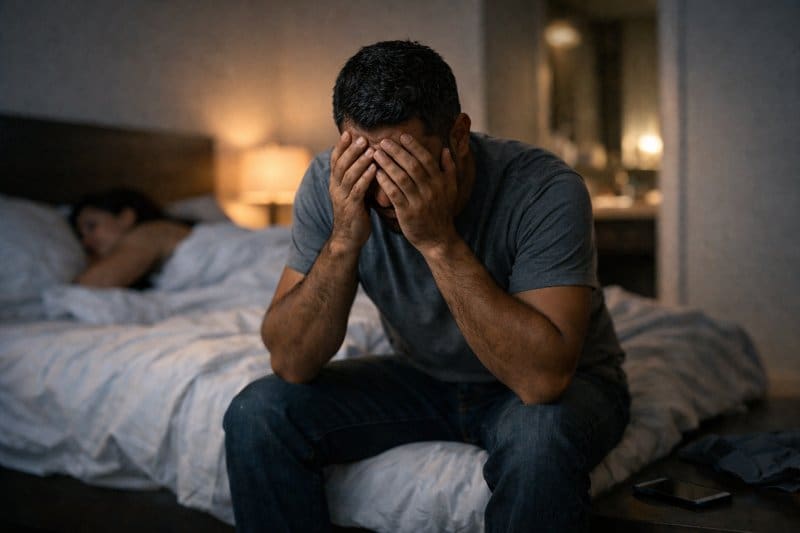

You’ve tried everything to get over your pornography addiction. You’ve made promises to yourself. You’ve deleted apps, added filters, maybe even prayed or journaled after your last slip-up. But then stress hits, or it’s late at night and you’re feeling vulnerable, and just like that, you’re back in the cycle. If that sounds familiar, you’re not the only one. And if you don’t know why it keeps happening, it’s easy to stay stuck in shame and confusion.
Relapsing doesn’t mean you’re weak. It just means there’s something deeper going on that still needs healing. Willpower isn’t the problem; you’re not broken. The issue is that porn isn’t just about behavior. It’s tied to patterns, pain, and the ways you’ve learned to cope. We’re not here to judge you, but to help uncover what’s going on so you can finally start moving forward.
You’re Trapped In Just Trying Harder
One of the most damaging beliefs you might carry is that this is all just a discipline problem. That if you tried harder or prayed more, you’d be free by now. But that mindset only fuels shame. Pushing yourself without understanding why you’re tempted doesn’t lead to freedom; it leads to burnout.
You don’t relapse because you’re lazy. You relapse because you haven’t yet identified the core triggers, and you haven’t built a sustainable system for recovery. That might include community, coaching, lifestyle shifts, or emotional healing. Without these foundations, even your best efforts are built on sand.
The Loop You’re Stuck In
To break the cycle, you need to understand it. Porn use is rarely about sex. It’s about escape. And that escape often follows a three-part loop:
-
- Trigger: You feel bored, stressed, lonely, angry, rejected, or even successful and want to “celebrate.”
- Habit: You follow your usual routine: sneak away, open your phone, and engage in familiar behavior.
- Reward: You feel a momentary sense of control, relief, or pleasure, even if it’s followed by regret.
If you don’t recognize your specific triggers, you’ll keep walking into the trap without seeing it coming. The key isn’t just resisting the urge; it’s rebuilding the entire loop.
You Have Panic Without a Plan
When you’re trying to quit porn, it’s easy to put all your energy into fighting temptation in the moment. But let’s be real, waiting until you’re in the middle of a trigger to come up with a plan is like trying to build a boat during a flood. You need a strategy before the storm hits.
Think about it: Do you know how to fight those lustful thoughts? What will you do when you’re bored, stressed, or alone late at night? Do you have someone you can call? Have you practiced healthier routines or figured out how to redirect your focus? If your plan is just “don’t mess up,” that’s not a plan; it’s a setup for another fall. Real recovery doesn’t just happen. It takes structure, intention, and support.
Your Isolation Feeds Relapse
Every time you keep your struggle secret, the addiction grows stronger. Porn thrives in silence. And while confessing might feel terrifying, freedom only happens in the light.
You need brothers who understand the fight, who will speak truth, not shame. Isolation tells you you’re the only one, that no one would understand. But the truth is, countless men are fighting this same battle, and some are walking in victory because they chose to stop hiding.
If you’re not in a support group, coaching program, or accountability relationship, now’s the time. You were never meant to fight this alone.
You Must Treat the Root, Not the Symptom
Cutting off access to porn is a good first step, but it won’t heal your heart. You can filter your devices and still relapse in your mind. You can avoid websites, but still carry shame, trauma, or unmet emotional needs that drive the behavior in the first place.
Until you address the root causes, like past wounds, relationship fears, emotional detachment, or identity confusion, your addiction will find new ways to express itself. That’s why true recovery goes beyond behavior management. It’s about heart restoration.
You’ve Confused Forgiveness with Freedom
God forgives you instantly. But freedom is a process. Too often, men mistake a moment of spiritual renewal for long-term healing, and when relapse comes, they spiral into shame, assuming grace has run out.
But grace isn’t an escape hatch. It’s the power source for your ongoing transformation. You’re not disqualified because you stumbled. What matters is what you do next. Will you run deeper into isolation? Or will you run into truth, accountability, and change?
You Haven’t Replaced Porn With Purpose
Porn isn’t just something to kill time, it’s trying to fill a deeper emptiness. If you just cut it out without putting something better in its place, chances are you’ll slip right back into it because of that same emptiness. Recovery isn’t just about quitting a bad habit; it’s about creating a whole new story for yourself.
So start building a life that excites you. Find work that matters. Fix broken relationships. Help others. Grow in your faith. When your life has real purpose, those fake, empty pleasures start to lose their hold on you.
You’re Expecting Instant Victory in a Lifelong Battle
If you’re expecting instant victory, you’re setting yourself up for frustration. Struggling doesn’t mean you’re weak; it means you’re human. Healing is messy, and freedom takes time. Sometimes it feels like you’re taking two steps forward and one step back. But every time you choose to be honest, every moment you push away shame, and every time you get back up, you’re moving forward.
Don’t let the need to be perfect stop you from making progress. You don’t have to be flawless to find freedom. You just have to keep showing up and keep going.
It’s Never Too Late to Break the Cycle
If you’ve relapsed, you’re far from a lost cause. One tough moment doesn’t define who you are.
But if you want a different outcome, you have to try a different approach. Stop going it alone. Stop waiting for things to magically get easier. Take one brave step today: reach out, make a plan, speak up, and start fresh.
You don’t have to stay stuck in the cycle. You can break free. And when you do, you’ll start again, not weighed down by shame, but standing tall in strength.